




What we cover

The Upside competitive advantage
In a challenging market like retail fuel, the only way you can grow is by taking market share away from your competitors. Today’s strategies, like competitive pricing and onsite advertising, are necessary to keep pace with your competitors, but they’re not helping you outpace them.
That’s where we come in!
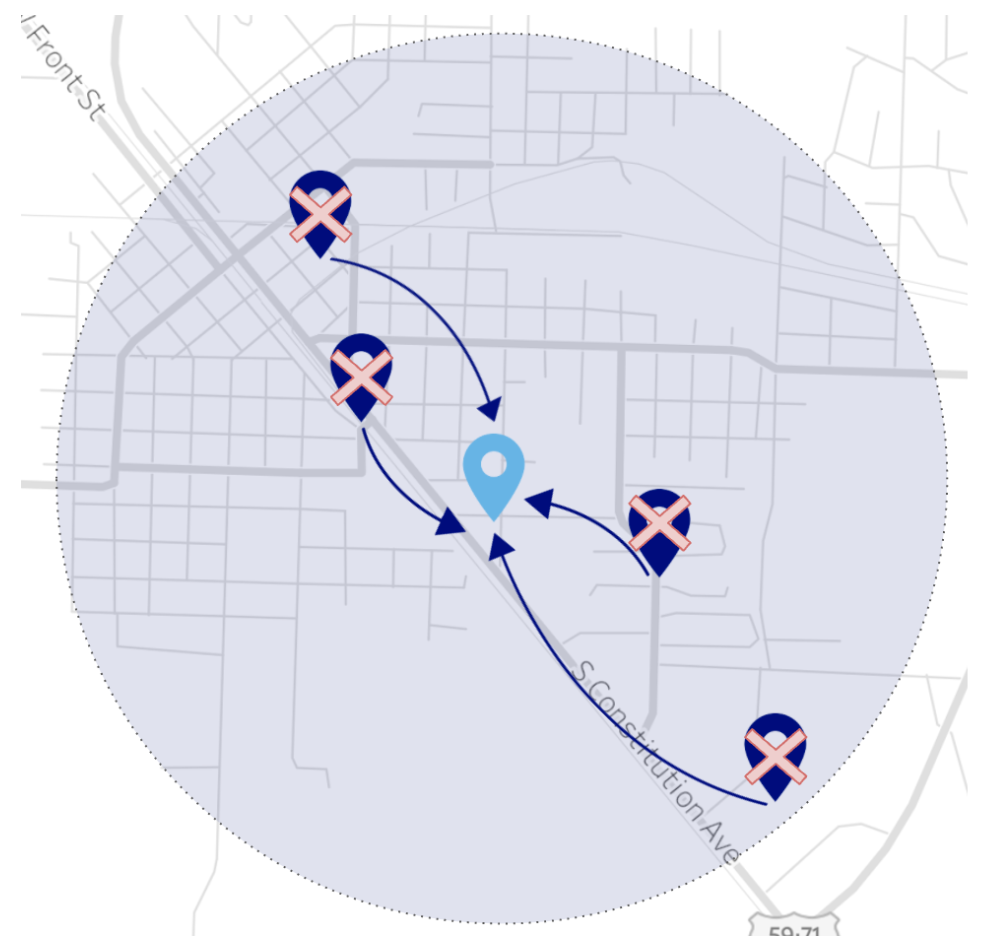
Upside was designed to give you a leg up on your local competition by offering personalized promotions and consolidating local consumer demand - both of which encourage consumers to choose your business over your competitors’. Upside actively funnels consumers to participating businesses like yours by limiting the number of sites allowed on the Upside platform in each local area. This is achieved through two layers of exclusivity: blocking nearby competitors within each Upside station’s exclusivity zone and limiting the total number of stores that can participate in any given market.
Exclusivity zones
Each station on the Upside platform is granted a protected exclusivity zone, meaning nearby competitors are blocked from joining once a location goes live. This isn’t just a nice-to-have — it’s a core reason why participating sites see meaningful volume gains.
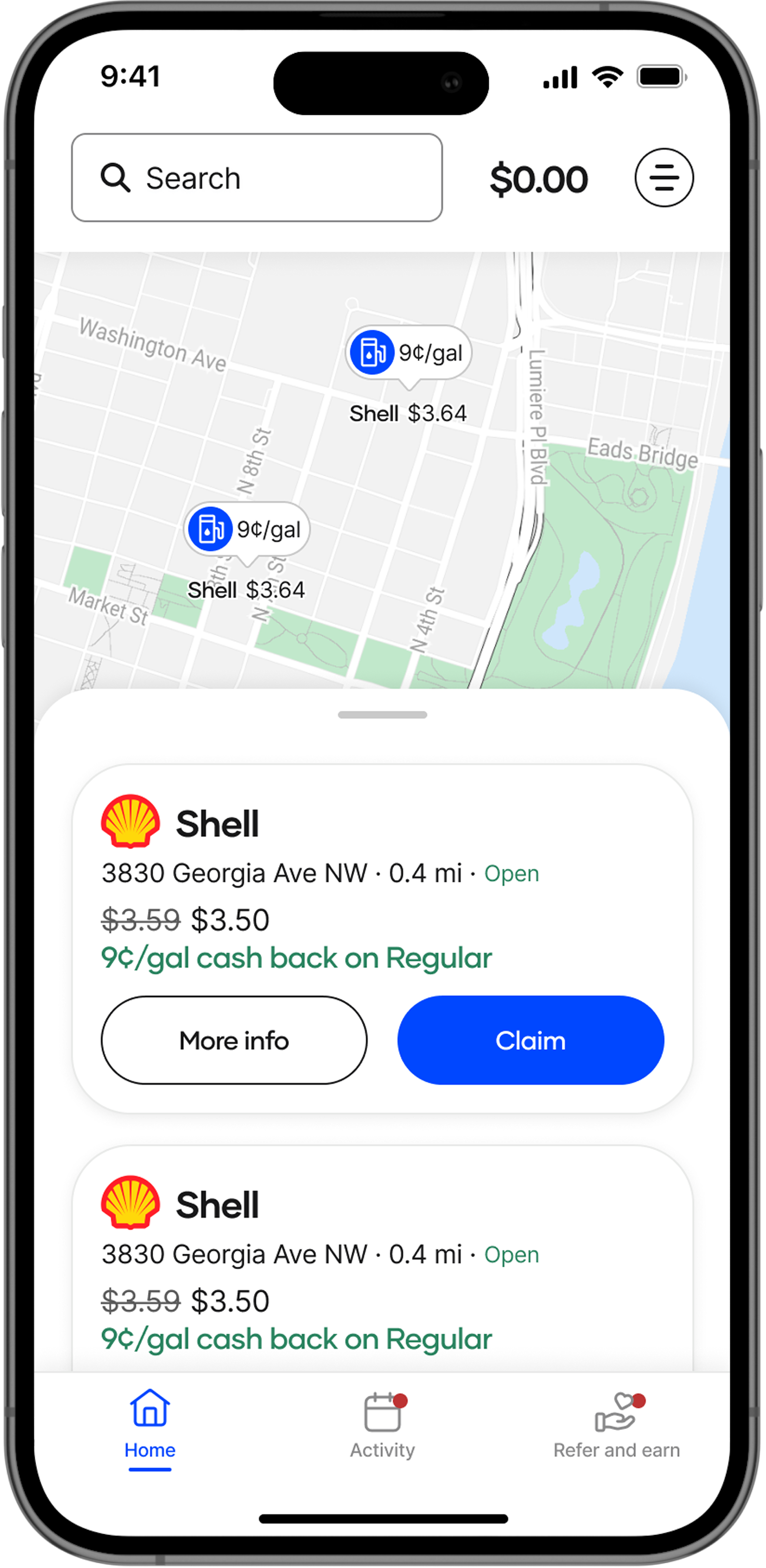
When consumers open the Upside app to decide where to fill up, they’ll see your station and not the one down the road. That means you’re not just competing for attention — you’re capturing it.
Market density cap
In addition to blocking competitor stations within your exclusivity zone, Upside limits the total number of stations that can join the platform to 30% of stations within each market. Once the 30% “density cap” is reached, no new stations are allowed to join, and we consider the market “closed.”
By limiting the number of stations in a market that are able to join, we reduce the pool of stations where Upside users transact. Non-Upside stations aren’t even visible in the Upside app.
The Upside first mover advantage
Once you join Upside, your advantage is locked in! Exclusivity zones ensure your nearby competitors are blocked from joining, regardless of whether the 30% market density cap has been reached, and the density cap ensures that Upside stations like yours are diverting customers and transactions from at least 70% of local competition.
Many markets such as Phoenix, Las Vegas, and Omaha are already closed. Don’t wait! Sign up now before your sites are blocked.


